Untamed Wilds

Sri Lanka’s natural world thrives in its protected forests and sprawling national parks where biodiversity flourishes in its purest form. These landscapes offer close encounters with wildlife, ancient ecosystems, and habitats that have remained largely untouched for centuries. From grasslands to deep forest canopies, each environment reveals a different rhythm of the island’s wild heart.

Yala National Park

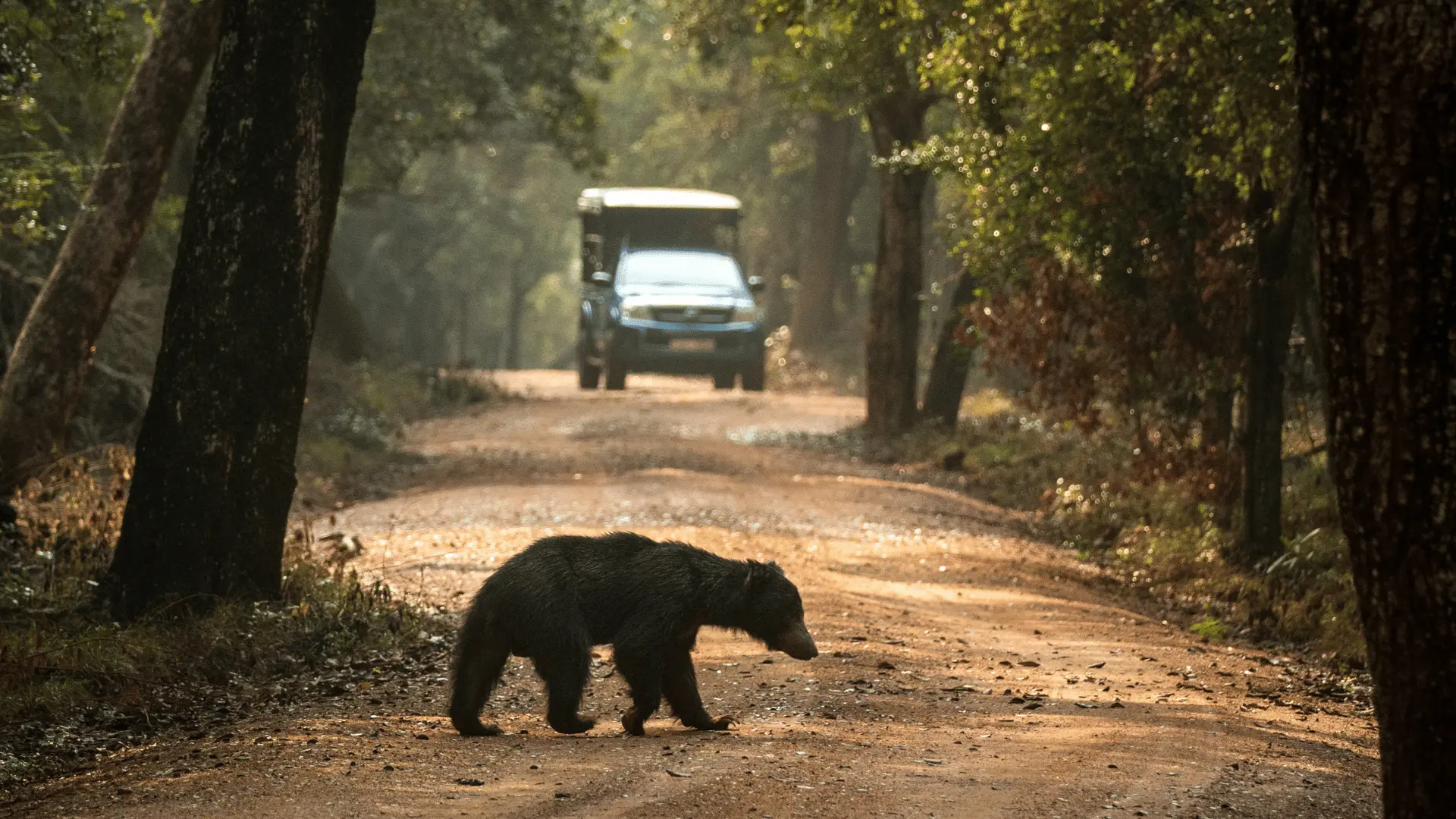
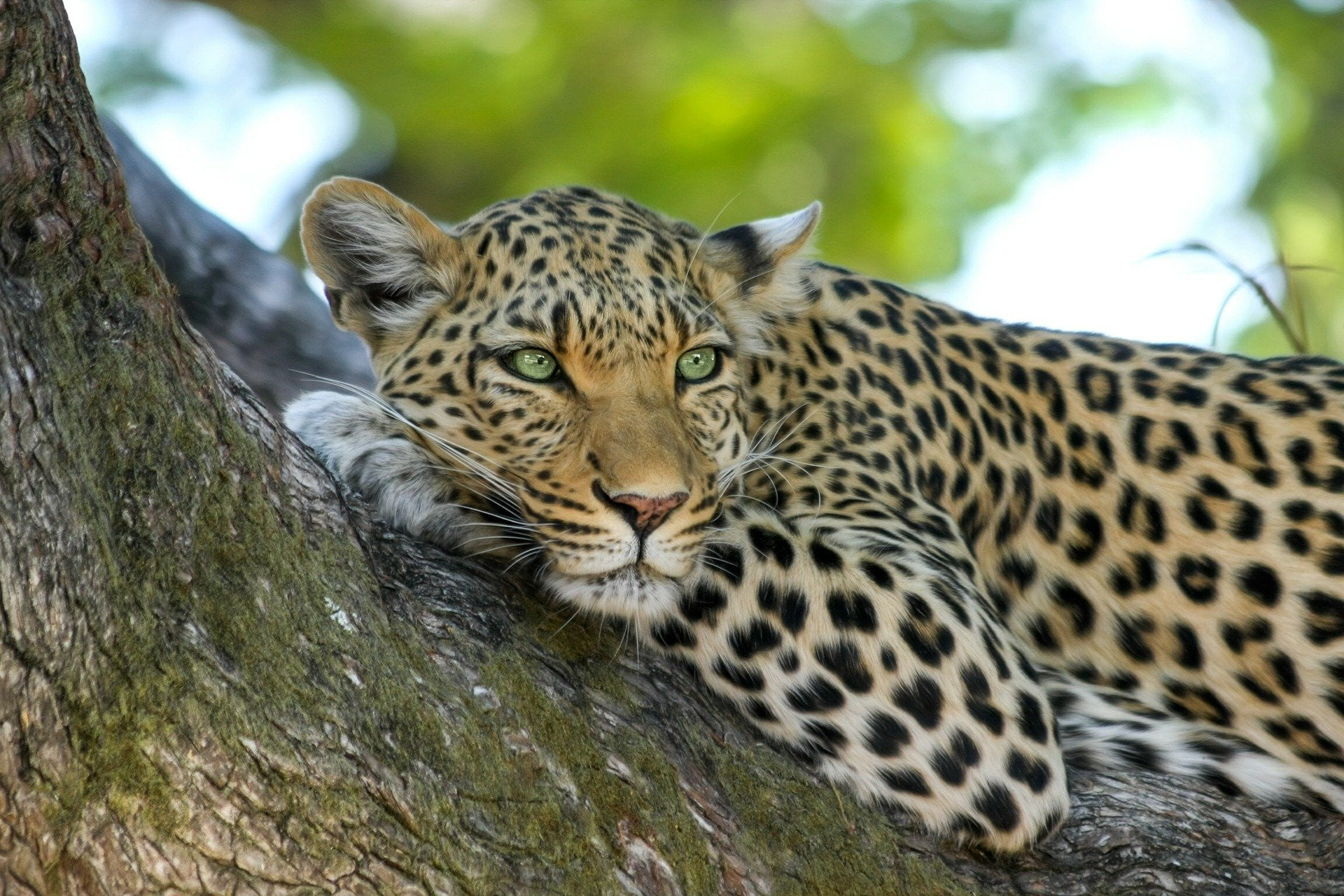
Known for one of the highest leopard densities in the world, this reserve blends scrub jungles, lagoons, and rocky outcrops that support a rich array of species. Visitors often spot elephants, sloth bears, crocodiles, and vibrant birdlife in a single safari. Its archaeological remains add another dimension, merging wilderness with traces of ancient civilization.
Udawalawe

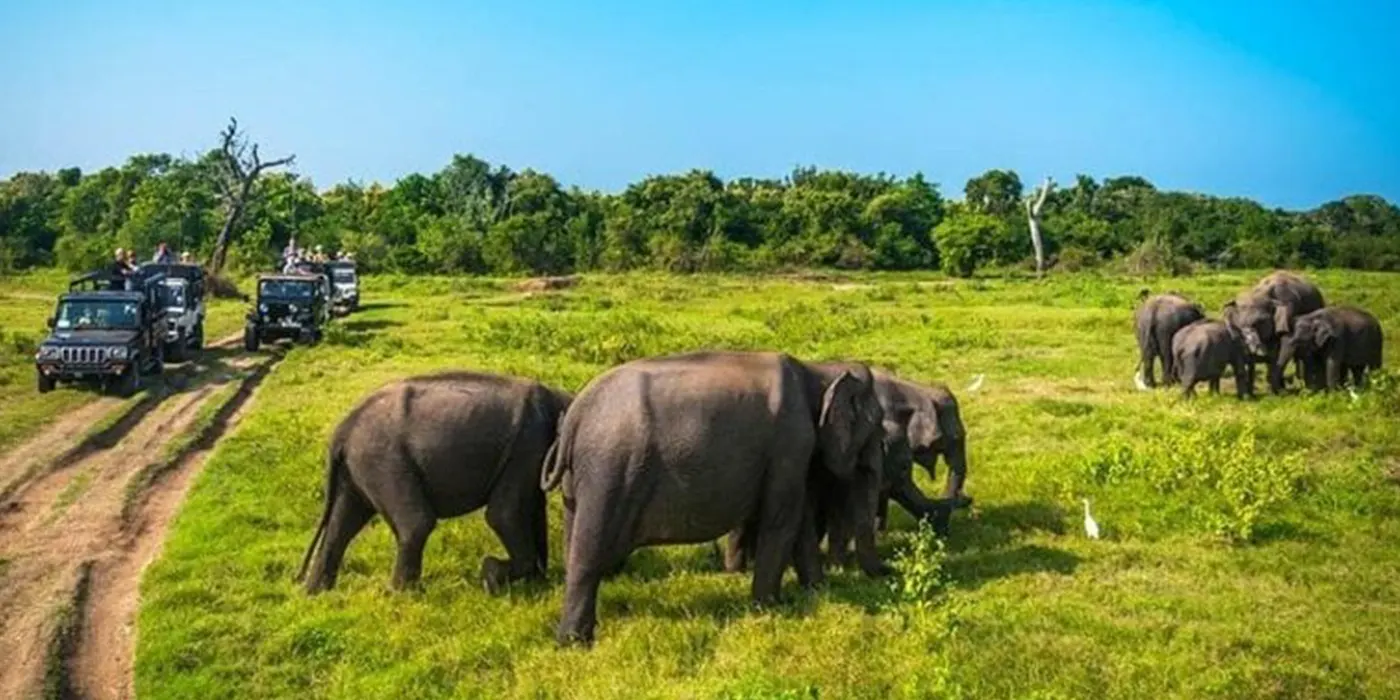
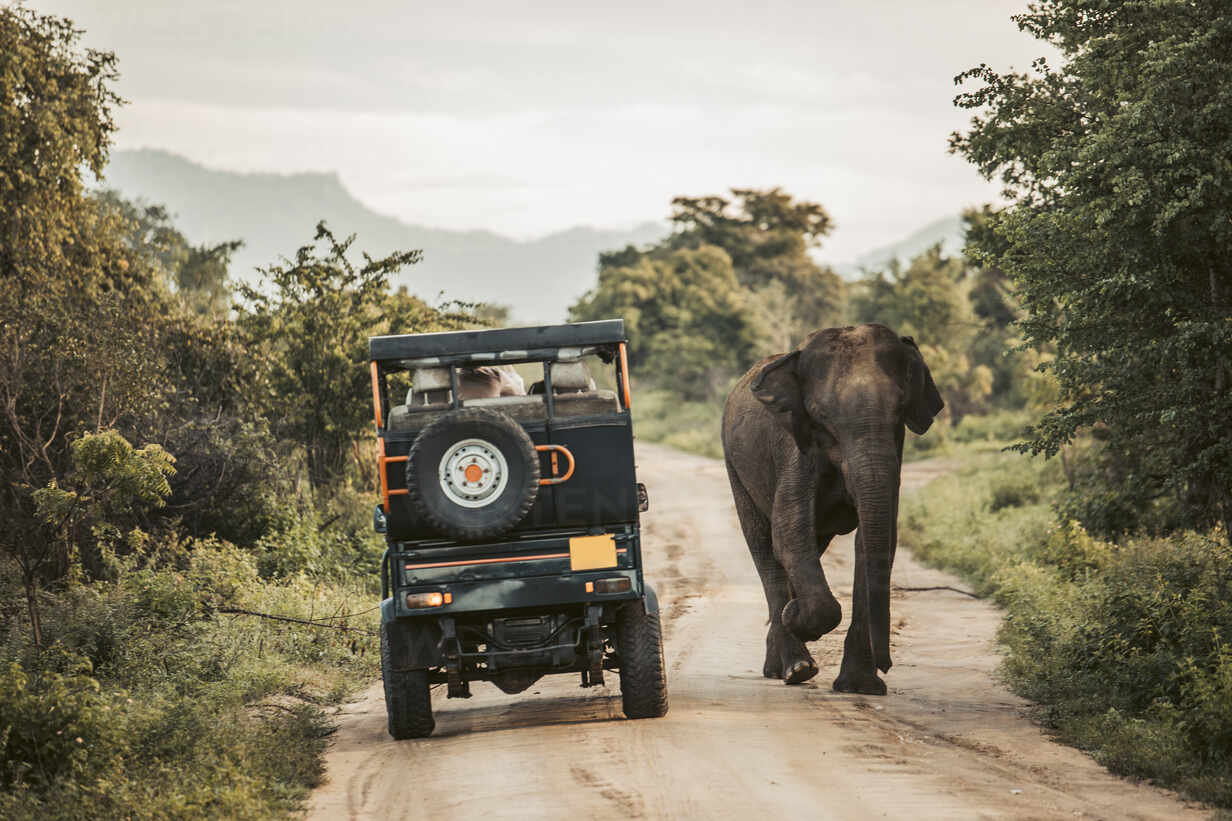
Home to large herds of Asian elephants, this park is ideal for observing these gentle giants in open landscapes. Its grasslands and reservoirs also attract raptors, waterbirds, and deer species throughout the year. Clear visibility makes wildlife viewing extremely rewarding for nature enthusiasts and photographers.

Wilpattu

The island’s largest and one of its oldest parks is known for its natural sand-rimmed lakes called villus. These unique wetlands support a thriving ecosystem that includes leopards, sloth bears, and countless migratory birds. Dense forests create a sense of seclusion, giving the park a serene and untouched atmosphere.

Minneriya

Famous for The Gathering, this reserve hosts one of the largest seasonal congregations of wild elephants in Asia. During the dry months, herds from surrounding forests migrate to the Minneriya tank, creating a spectacular natural event. The surrounding grasslands also support monkeys, spotted deer, and rare wetland bird species.

Sinharaja Rainforest

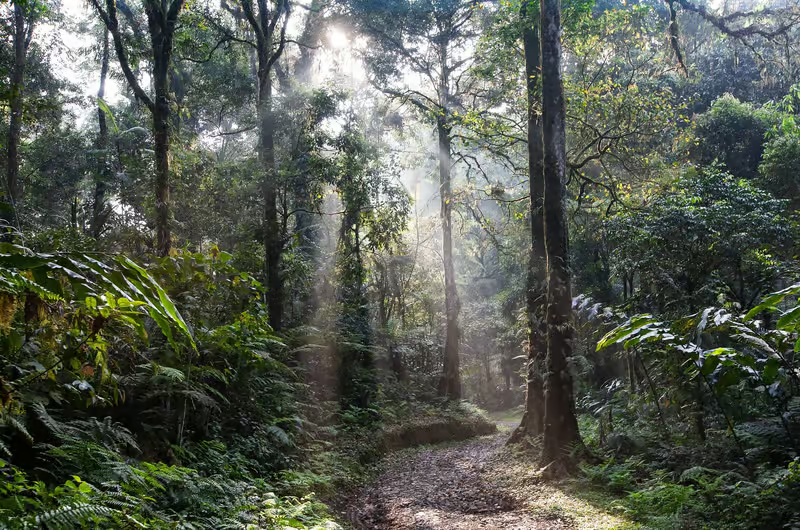
A UNESCO World Heritage rainforest with exceptionally high endemism, Sinharaja is a living museum of biodiversity. Towering trees create a dense canopy that shelters colorful birds, reptiles, amphibians, and rare plant life. Exploring its trails provides insight into one of the last remaining primary rainforests on the island.